Africa’s Fashion Renaissance: Style, Culture, and Global Influence
Authored by BDiGiT MAGAZINE
April 13, 2025
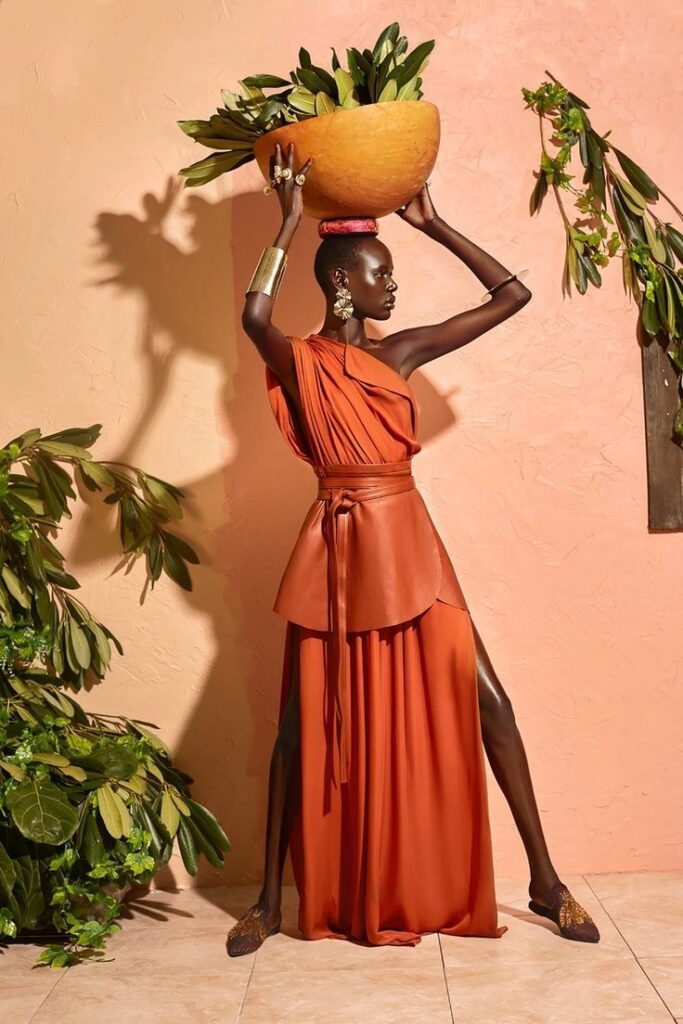
Africa is not just wearing fashion—it’s redefining it.
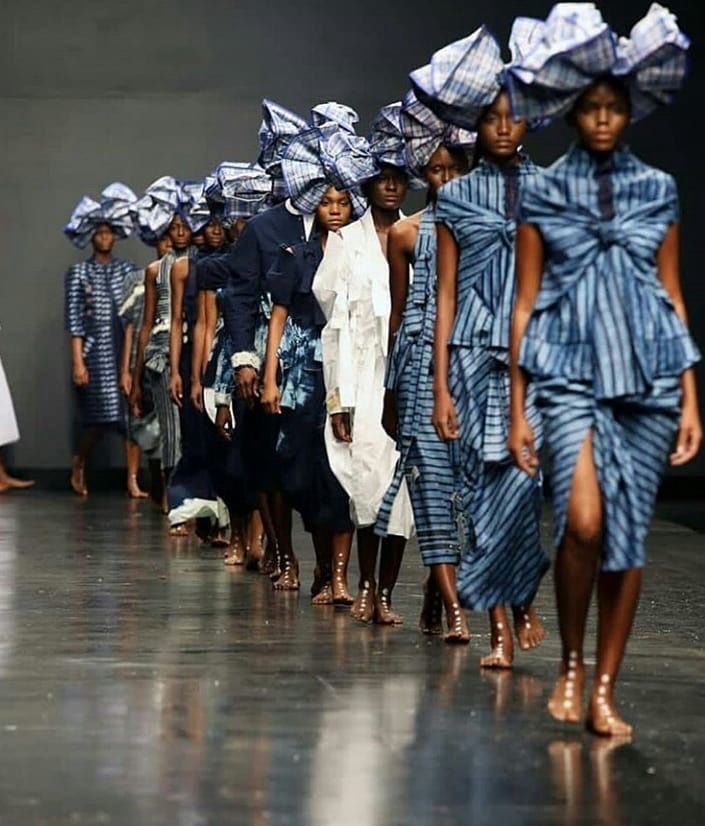
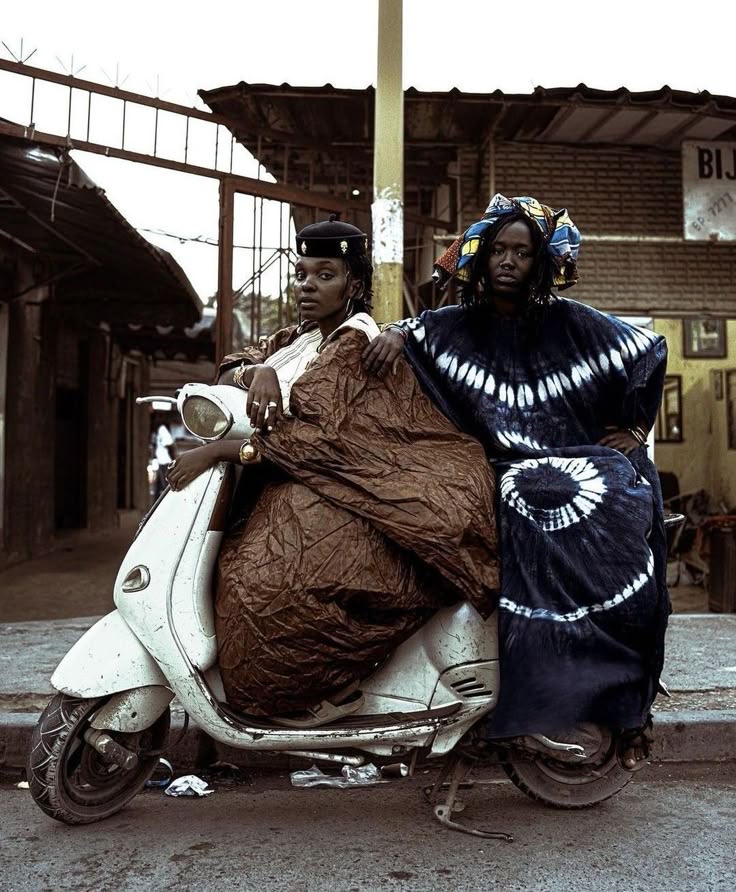
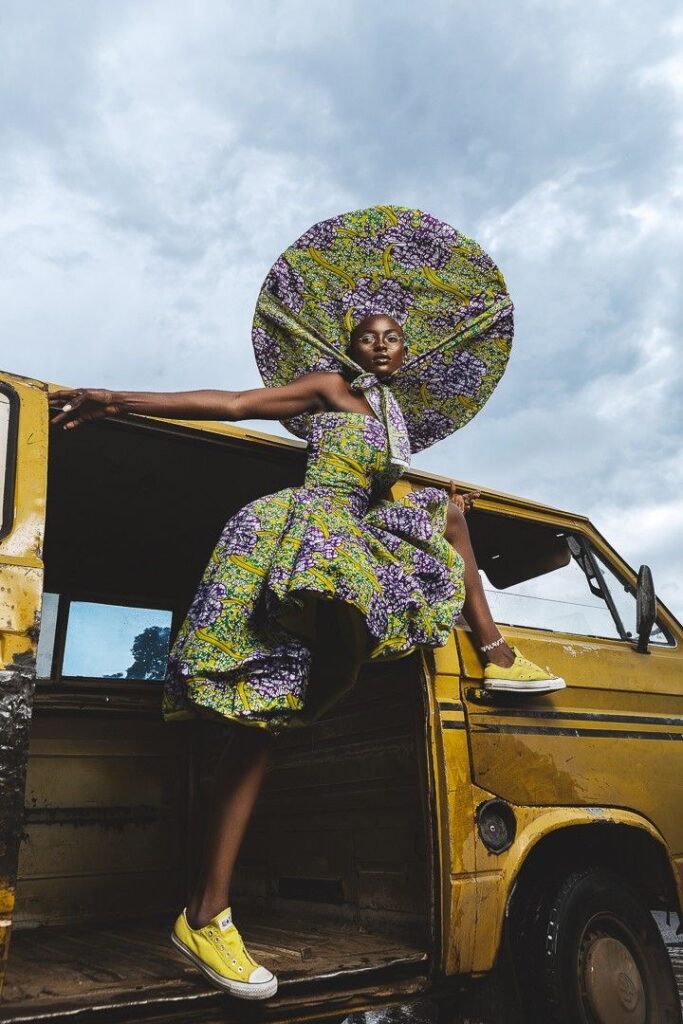
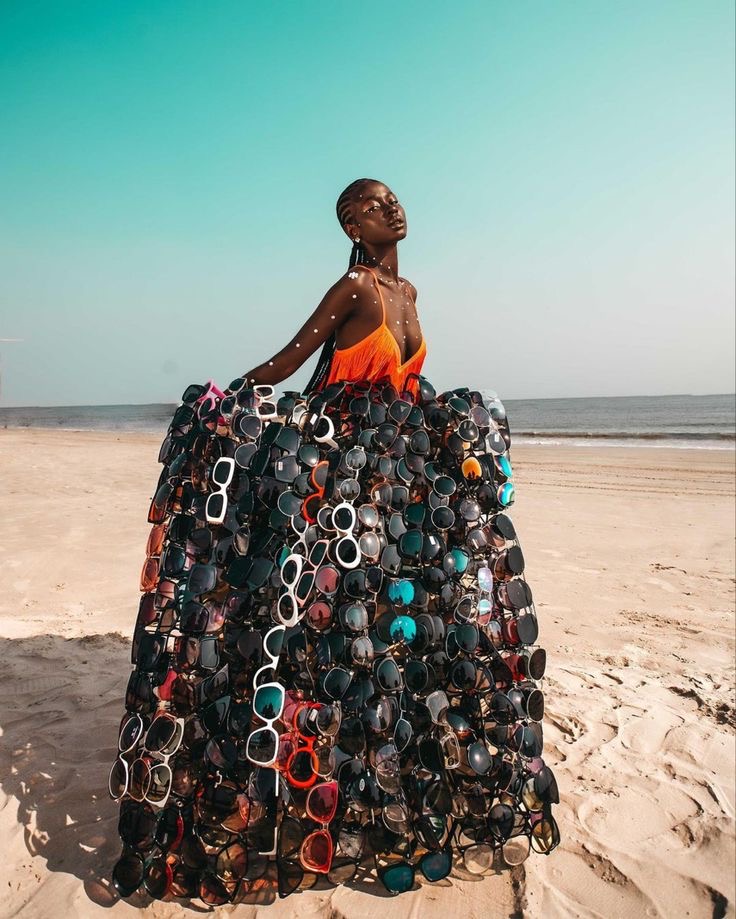
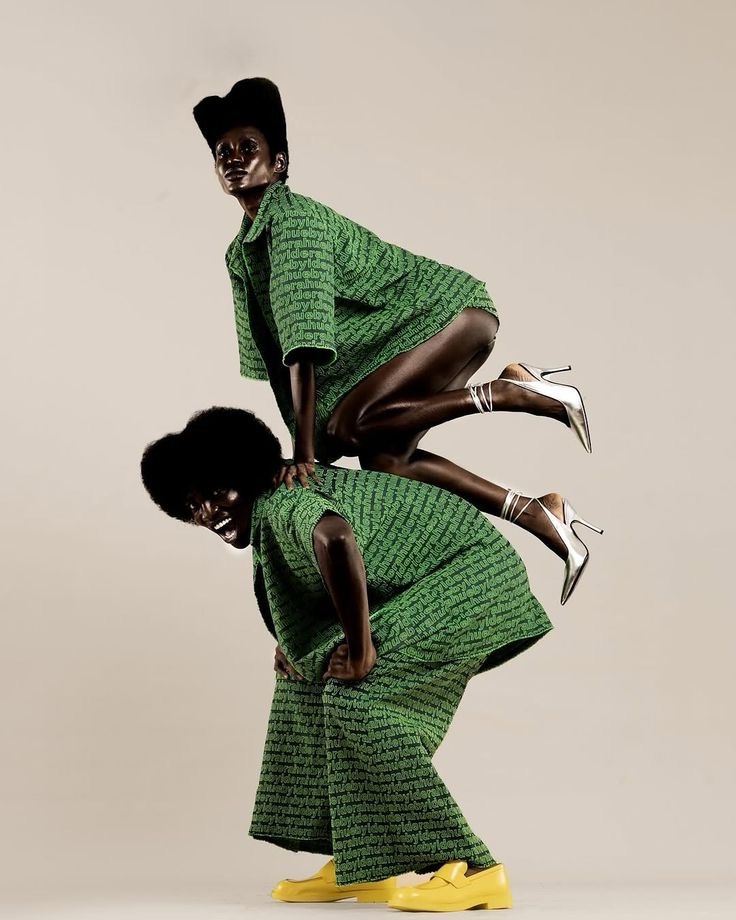
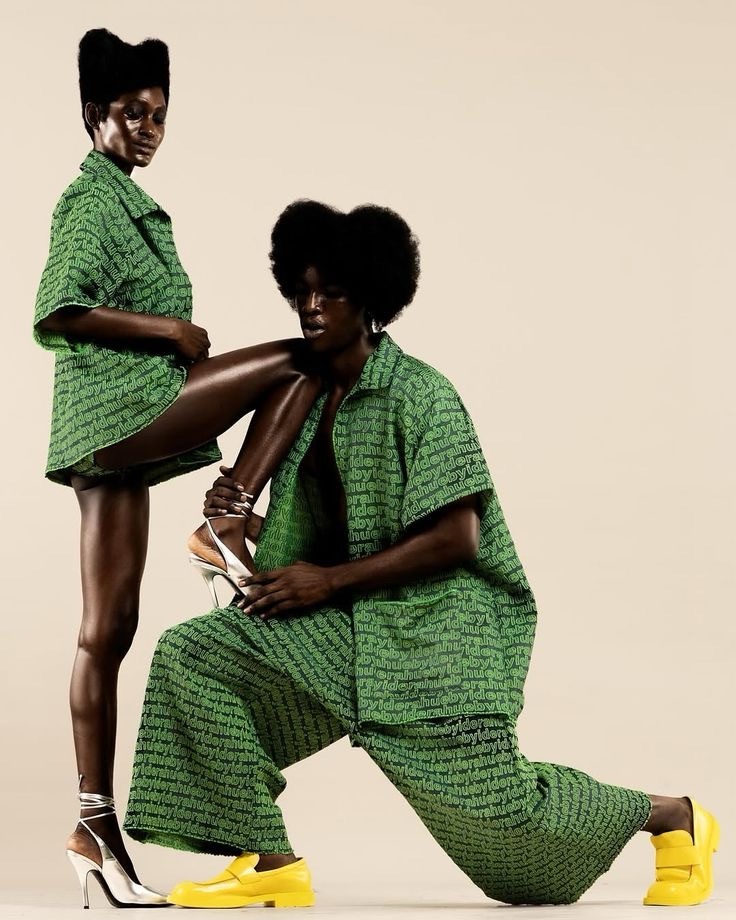
From Lagos Fashion Week to Accra’s bustling creative scene, the continent is witnessing a cultural style renaissance. Driven by young designers, traditional artisans, and a new wave of fashion entrepreneurs, Africa’s fashion story is gaining global traction—authentic, unapologetic, and undeniably bold.
This is more than style—it’s a movement. One that blends heritage with innovation, and local expression with global aspirations.
Where Tradition Meets Innovation
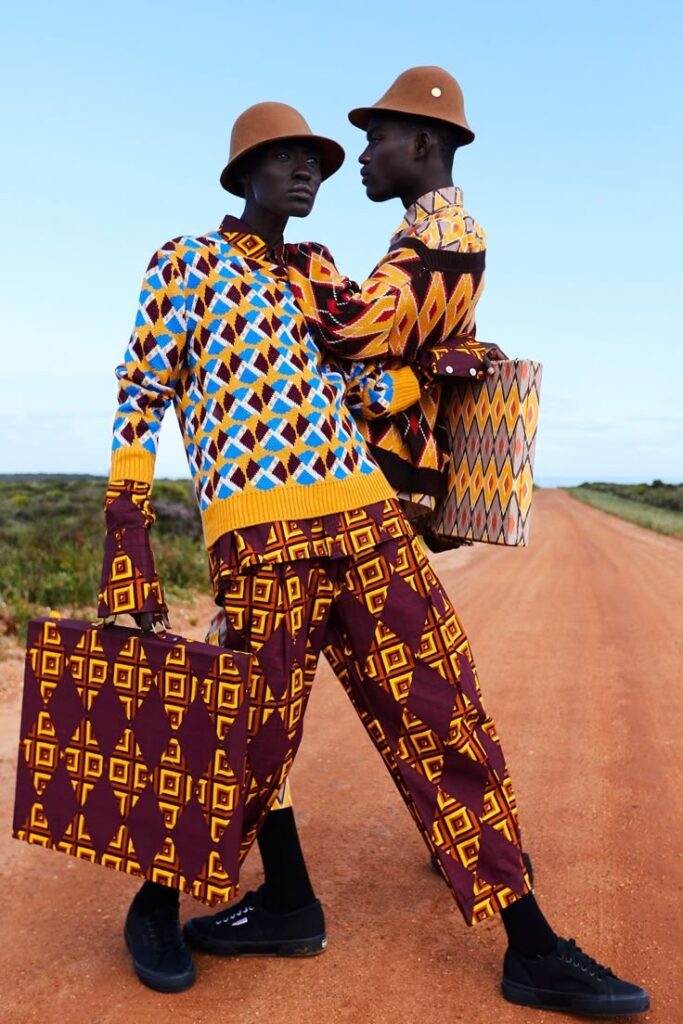
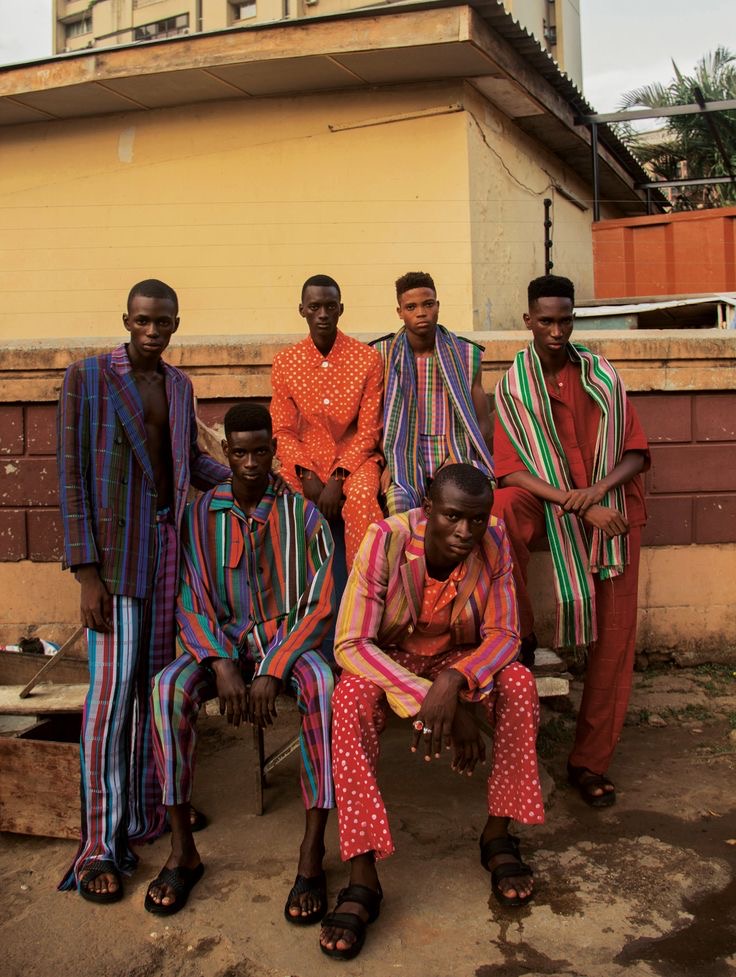
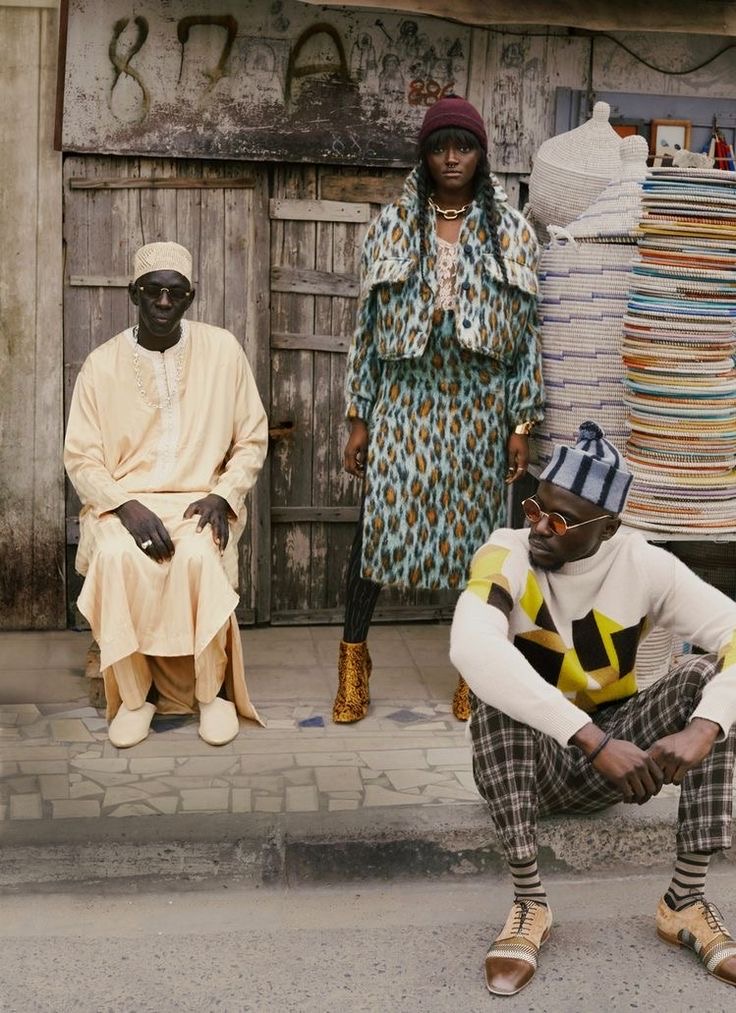
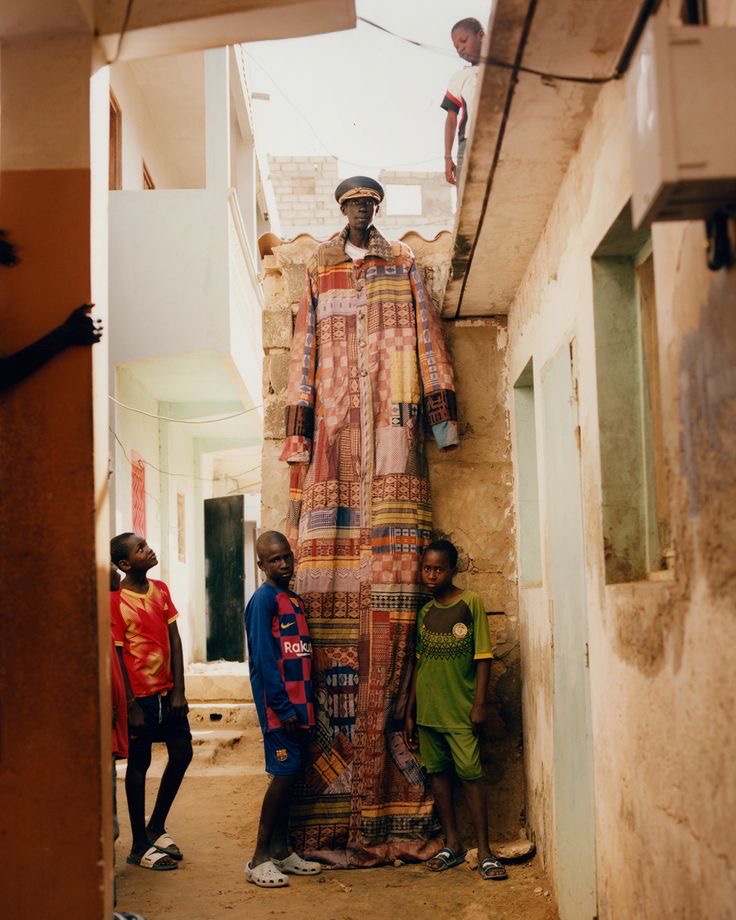
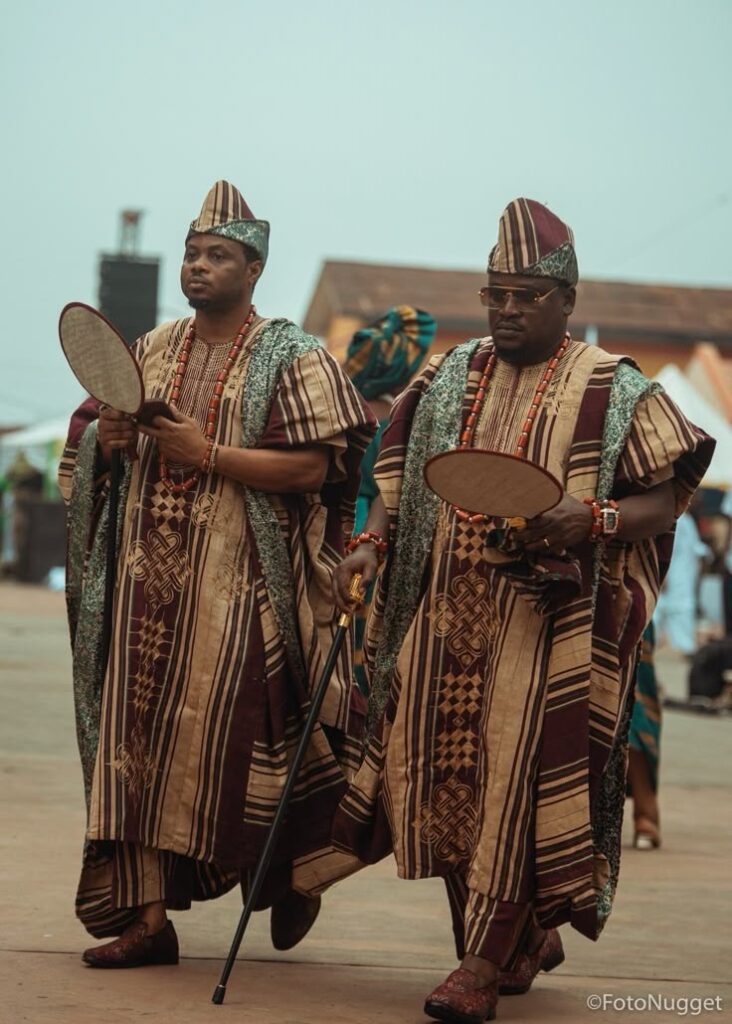
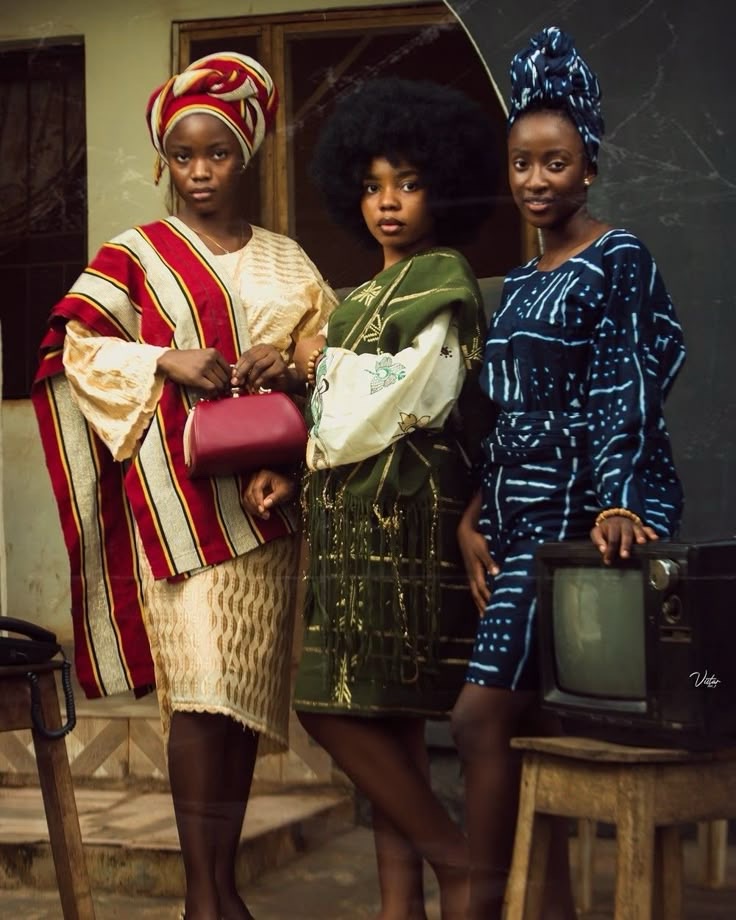
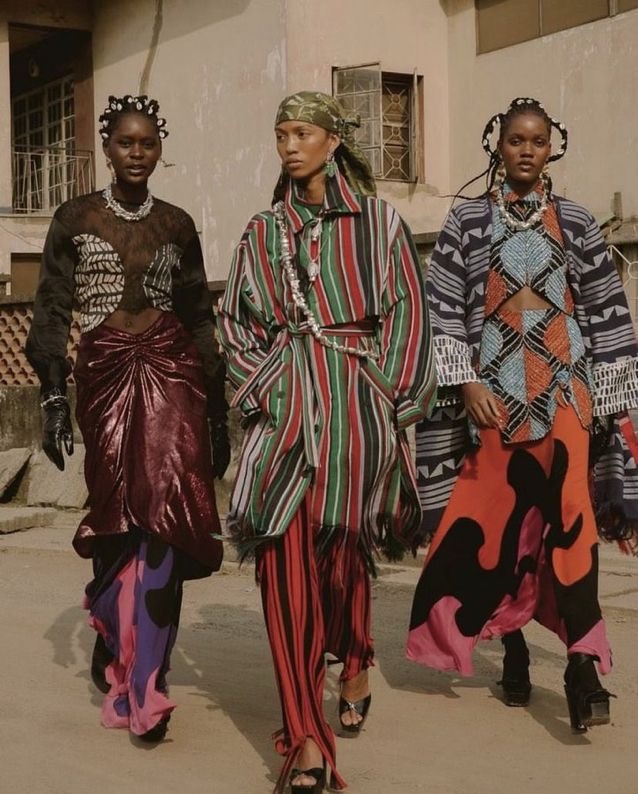
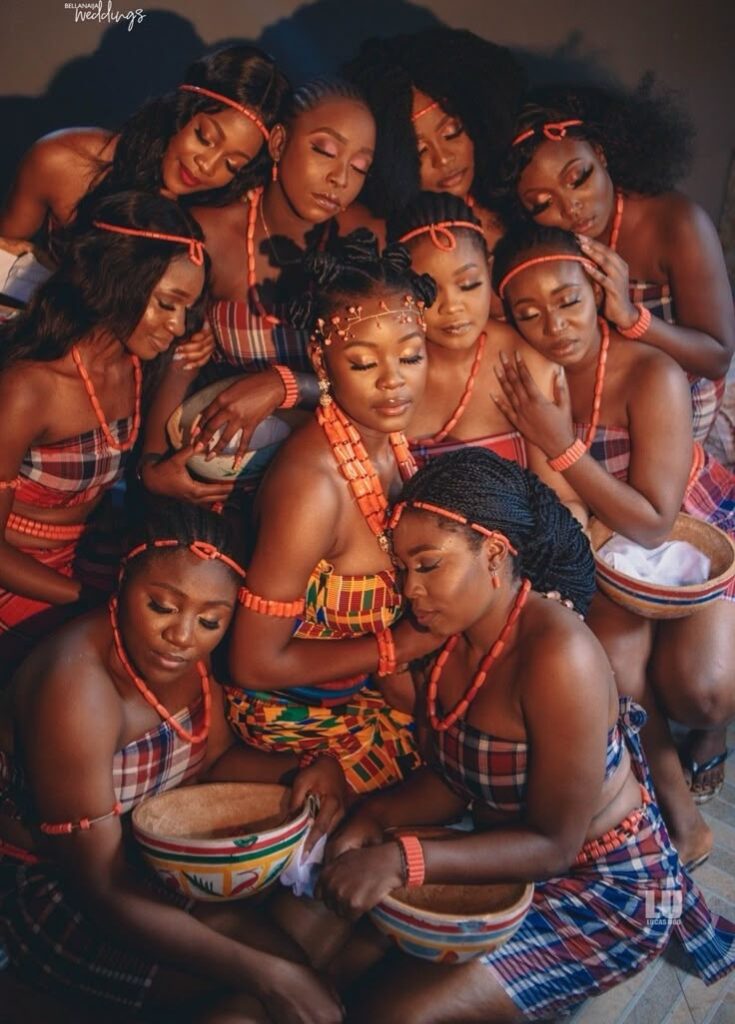
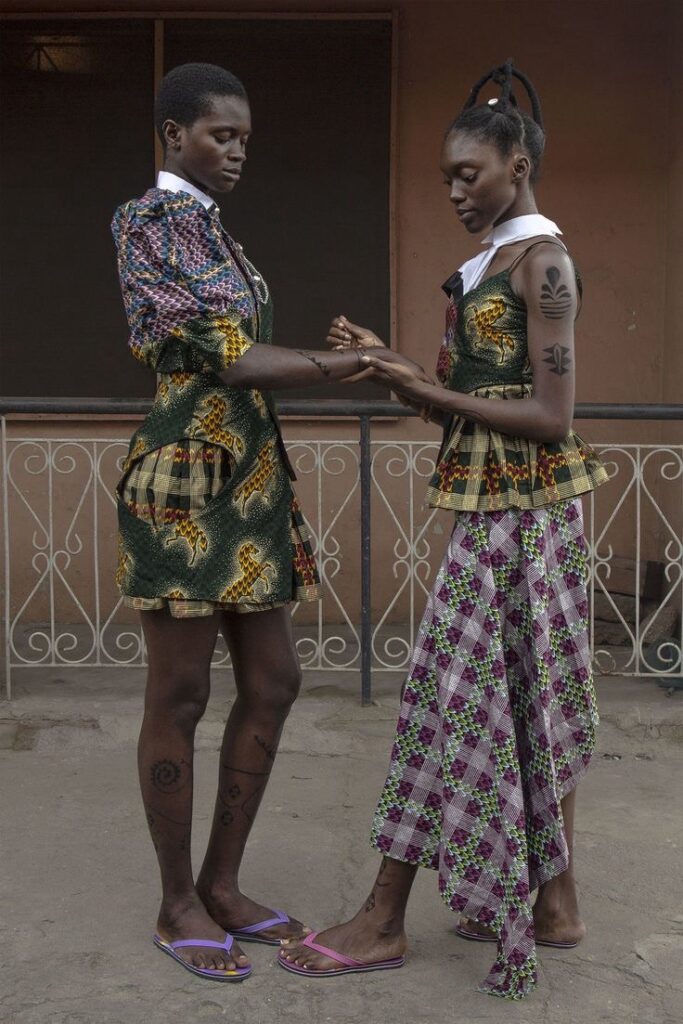
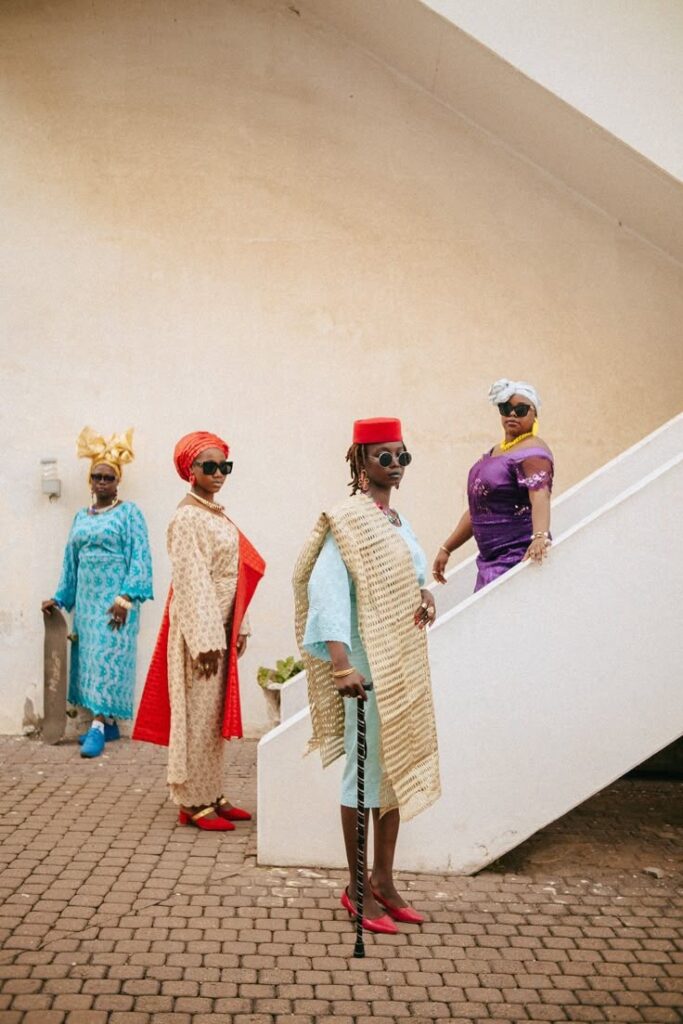
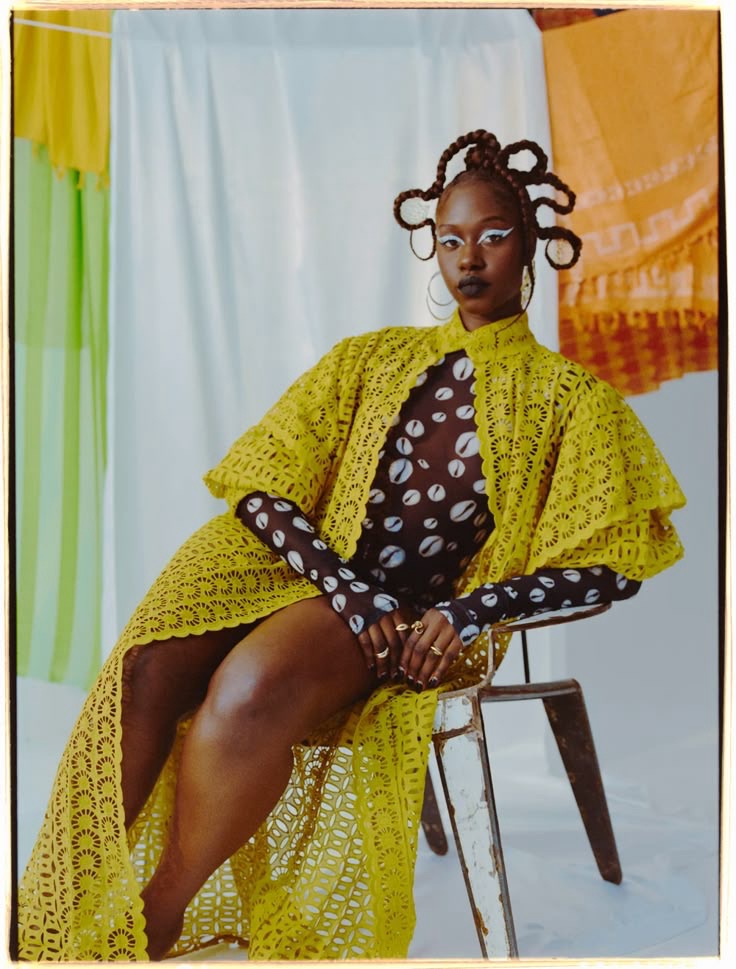
African fashion has always been rich with color, symbolism, and texture. But what we’re seeing today is a fusion of traditional craftsmanship with modern tailoring and streetwear aesthetics.
• Aso Oke is now being reimagined as bomber jackets.
• Kente cloth meets couture.
• Adire finds its way onto runways in Paris and Tokyo.
Young designers like Kenneth Ize, Thebe Magugu, and Lisa Folawiyo are transforming native fabrics into high fashion narratives. They’re not just telling stories through style—they’re preserving identity and creating new standards.
Lagos, Nairobi, Accra: The Creative Capitals
Across Africa, fashion ecosystems are thriving:
• Lagos: The commercial hub fueling streetwear and luxury with names like Orange Culture, Emmy Kasbit, and Andrea Iyamah.
• Nairobi: A rising center for sustainable fashion and circular design.
• Accra: Blending high fashion with cultural storytelling through brands like Christie Brown and Studio 189.
These cities are not just hosting fashion shows—they’re creating fashion economies. Designers, models, stylists, tailors, and content creators are now part of an industry that’s growing in influence and impact.
The Digital Edge: Instagram as the New Runway
Social media has become the great equalizer in African fashion.
Designers who may not afford international showcases are going viral on TikTok and Instagram. Stylists and photographers are building their own brands. Influencers from Soweto to Dakar are curating global conversations around African beauty and identity.
The rise of online fashion platforms, e-commerce, and virtual showrooms has allowed creatives to reach new markets and redefine what “made in Africa” means.
Sustainability and Cultural Integrity
As the world faces climate challenges, African fashion’s traditional methods offer valuable lessons in sustainability:
• Locally sourced fabrics
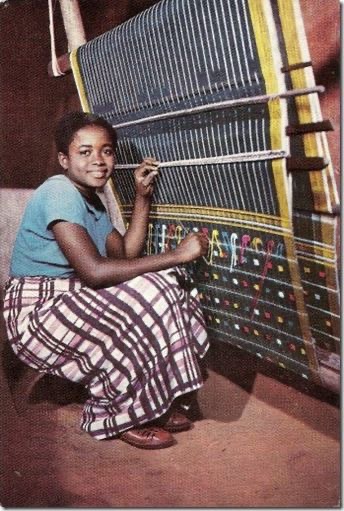
• Hand-dyeing techniques
• Minimal waste production
• Slow fashion values
But it’s not just about the environment—it’s about respecting culture. There’s a growing pushback against cultural appropriation and a call for authentic African stories to be told by African voices.
Challenges Still Exist
Despite its creative energy, the industry still faces hurdles:
• Limited funding and infrastructure
• Lack of access to global retail platforms
• Intellectual property protection for designs
However, with more global collaborations, fashion accelerators, and visibility in platforms like Vogue and BOF, the gap is narrowing.
The World Is Watching, Africa Is Creating
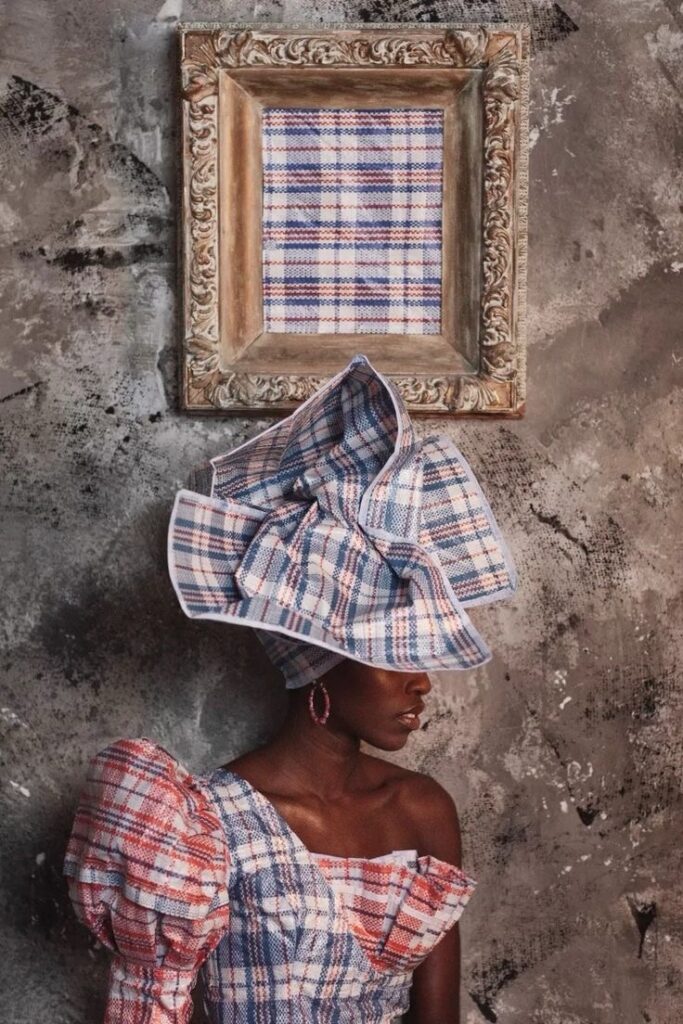
Africa’s fashion scene is no longer a hidden gem—it’s a style revolution rooted in authenticity, resilience, and vision.
At BDiGiT Magazine, we believe fashion is more than clothes—it’s culture, identity, and power. And Africa has it in abundance.